
A well-maintained home requires attention to many different systems, surfaces, and structural components. Over time, normal wear, changing weather conditions, aging materials, and everyday use can create problems that need attention. Some issues develop gradually, while others appear unexpectedly and require a faster response. Knowing which repairs to address first can help homeowners protect their property, maintain comfortable living conditions, and avoid additional damage.
When several problems need attention at once, deciding where to begin can feel challenging. A dripping faucet, an aging roof, an unreliable heating system, and a sticking garage door may all require professional attention, but they do not necessarily carry the same level of urgency. Evaluating each issue based on safety, potential damage, household needs, and repair costs can help establish a practical plan.
It is also important to recognize when a problem requires professional evaluation. Electrical concerns, structural changes, and malfunctioning mechanical systems can involve risks that are not always visible. Addressing these issues with appropriate services can help prevent complications and provide a clearer understanding of the work involved. By organizing repairs according to their urgency and impact, homeowners can make informed decisions about maintaining their properties over time.
Addressing Electrical Issues Promptly
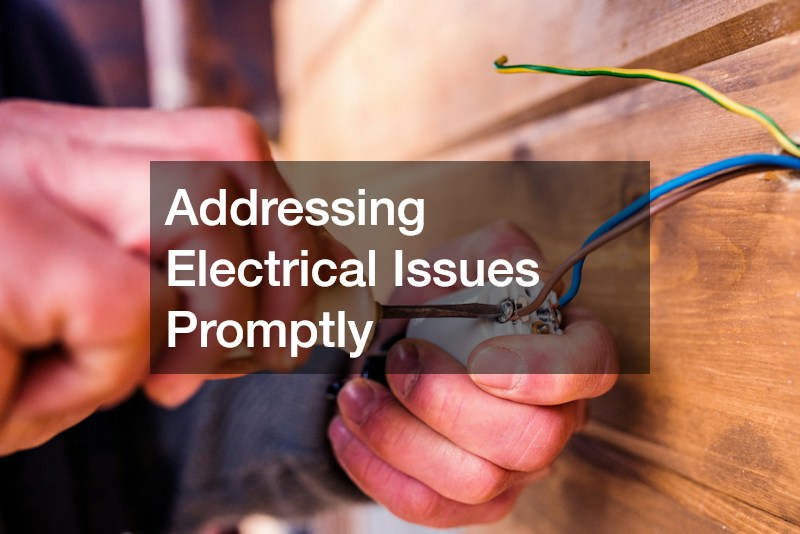
Electrical problems should receive prompt attention because they can affect household safety and the operation of essential appliances. Flickering lights, frequently tripped circuit breakers, outlets that feel warm, and unusual buzzing sounds may indicate an issue that needs professional evaluation. Although some electrical concerns appear minor, they can point to problems within the home’s electrical system. Recognizing these warning signs can help homeowners determine when to seek assistance.
A qualified electrician can inspect electrical components, identify potential hazards, and recommend appropriate repairs. This is particularly important in older homes, where electrical systems may not have been designed to accommodate modern appliances and technology. Adding new equipment without evaluating the available electrical capacity can place additional demands on existing circuits. Professional assessments can help determine whether updates or repairs are needed.
Homeowners should avoid ignoring recurring electrical problems or attempting repairs without the necessary training. Exposed wires, burning odors, sparks, and repeated breaker trips warrant immediate attention. If there is smoke or an active fire, occupants should leave the property and contact emergency services. Taking electrical concerns seriously helps protect household members and reduces the risk of damage to the property.
Protecting Your Home From Roof Damage
The roof serves as an important protective barrier against rain, snow, wind, and other outdoor conditions. When shingles become damaged, flashing separates, or sections begin to deteriorate, moisture may enter the home. Even a small opening can eventually affect ceilings, insulation, walls, and other interior materials. Regular visual inspections can help homeowners identify changes before they contribute to more extensive damage.
Roof repair may be necessary when homeowners notice missing shingles, damaged flashing, water stains, or visible areas of deterioration. After severe weather, checking for fallen branches and other debris can also help identify potential concerns. However, homeowners should avoid climbing onto a damaged or wet roof to investigate problems themselves. A professional assessment provides a safer way to evaluate the roof’s condition and determine the appropriate next steps.
Addressing roofing concerns promptly can help preserve the materials beneath the roof and reduce the possibility of moisture-related problems. Delaying repairs may allow water to spread into additional areas, increasing the amount of work required. Homeowners should also consider the roof’s age and previous repair history when deciding whether localized work or a larger project is appropriate.
Restoring Reliable Heating
A dependable heating system is important for maintaining comfortable indoor temperatures, particularly during colder months. Furnaces can experience problems as components age or accumulate normal wear from regular operation. Uneven heating, unusual noises, frequent cycling, and unexpected increases in energy use may indicate that the system needs attention. A furnace that struggles to maintain the desired temperature should be evaluated before colder weather creates additional demands.
A professional furnace repair service can inspect the system, identify malfunctioning components, and determine whether repairs are appropriate. Problems involving ignition systems, thermostats, blower motors, or airflow can affect heating performance. A qualified technician can evaluate these components and explain available options based on the equipment’s condition. Routine maintenance can also help identify developing concerns before the heating system stops working.
Safety should remain a priority when evaluating furnace problems. A damaged heat exchanger or malfunctioning fuel-burning appliance may create serious concerns, including potential carbon monoxide exposure. Homeowners should maintain working carbon monoxide detectors and respond promptly to alarms. If a carbon monoxide alarm sounds, occupants should move outside and contact emergency services. Taking heating problems seriously helps protect household comfort and safety.
Maintaining Safe Garage Door Operation
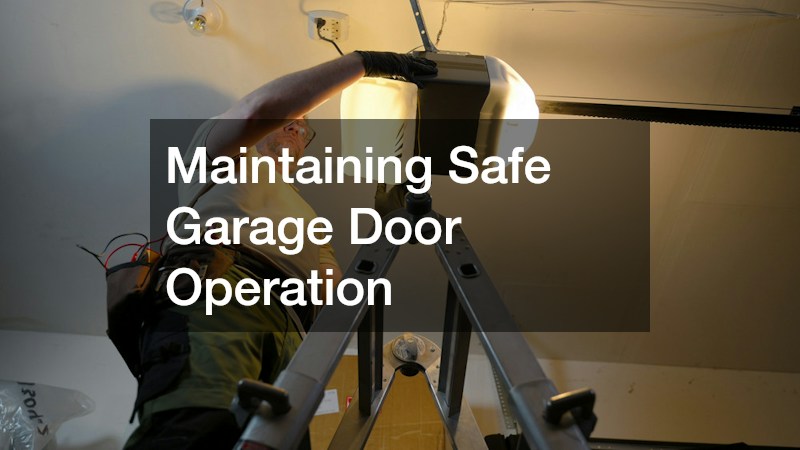
Garage doors are used frequently, making their condition an important part of everyday home maintenance. Springs, cables, rollers, tracks, and openers all contribute to proper operation. When one component begins to fail, the door may become noisy, move unevenly, or stop opening and closing as expected. These changes can interfere with household routines and create safety concerns.
Garage door repairs may be needed when homeowners notice unusual grinding sounds, delayed movement, damaged panels, or problems with the automatic opener. A door that reverses unexpectedly or does not close completely may also have an issue with its safety sensors or operating mechanism. Keeping the tracks clear of visible obstructions and observing how the door moves can help homeowners recognize developing problems.
Certain garage door components require specialized handling. Springs and cables operate under significant tension, making them dangerous to adjust or replace without proper equipment and training. Homeowners should avoid attempting these repairs themselves. Professional technicians can inspect the door’s moving parts, identify the source of the problem, and recommend appropriate service to help restore reliable operation.
Correcting Electrical Problems
Beyond individual outlets and switches, the condition of a home’s wiring can affect the reliability of the entire electrical system. Older wiring, deteriorated insulation, improper connections, and overloaded circuits may create problems that become more noticeable as household electrical demands increase. Renovations and the addition of major appliances can also reveal limitations in an existing system.
Wiring repair may be necessary when an inspection identifies damaged conductors, loose connections, or other electrical deficiencies. Warning signs can include inconsistent power, buzzing outlets, warm switch plates, and frequently tripped breakers. These symptoms should not be dismissed, particularly when they occur repeatedly or affect multiple areas of the home. A licensed professional can determine whether the issue involves an individual connection or a broader wiring concern.
Homeowners planning renovations should also consider the condition and capacity of the existing electrical system. Adding lighting, outlets, appliances, or other equipment may require changes to accommodate the additional demand. Professional evaluation helps ensure that electrical work is appropriate for the home’s layout and intended use. Addressing wiring concerns can improve system reliability and reduce potential hazards.
Improving Indoor Comfort and Airflow
Heating and cooling systems influence indoor comfort throughout the year. When airflow becomes restricted or equipment stops operating efficiently, certain rooms may feel warmer or cooler than others. Homeowners might also notice unusual noises, inconsistent temperatures, or changes in humidity. These problems can indicate that the system needs inspection or maintenance.
HVAC repair can address issues involving heating and cooling equipment, thermostats, electrical components, and other system parts. A qualified technician can evaluate performance, identify malfunctioning components, and recommend repairs based on the equipment’s condition. In some cases, restricted airflow may involve clogged filters, obstructed vents, or problems with ductwork. Identifying the underlying cause helps determine which improvements are appropriate.
Routine maintenance can also support the performance of heating and cooling equipment. Replacing filters according to manufacturer recommendations, keeping supply and return vents unobstructed, and scheduling periodic inspections can help homeowners monitor system conditions. However, unusual odors, refrigerant concerns, or recurring performance problems should be evaluated by a professional. Keeping the system in suitable condition can help maintain consistent indoor comfort.
Maintaining a Stable Home Structure

A home’s foundation supports the structure above it, making changes in its condition an important maintenance concern. Soil movement, drainage problems, moisture fluctuations, and other environmental factors can affect the ground beneath a building. Over time, these conditions may contribute to cracks, uneven floors, or changes around doors and windows. Not every crack indicates a serious structural issue, but noticeable changes should be evaluated.
A foundation repair service can assess visible damage and investigate potential causes of movement or settlement. Signs that may warrant an inspection include widening cracks, sloping floors, doors that suddenly become difficult to close, and gaps around window frames. Water collecting near the foundation can also contribute to concerns by affecting soil conditions. Identifying these issues early can help homeowners understand the condition of the structure.
Drainage and moisture management are important considerations when maintaining a foundation. Downspouts should direct water away from the home, and the surrounding ground should allow runoff to move away from the structure. Persistent pooling or erosion near the foundation may require additional attention. Professional evaluation can help determine whether the problem involves drainage improvements, structural repairs, or another form of maintenance.
Evaluating Roofing Conditions
While visible roof damage may require immediate attention, homeowners should also consider the overall condition of their roofing materials. Shingles, underlayment, flashing, ventilation components, and roof penetrations all contribute to the roof’s performance. Aging materials can become less effective at protecting the home, even when major damage is not immediately visible.
A roofing company can inspect these components and provide information about the condition of the existing roof. During an evaluation, professionals may look for loose or missing shingles, deteriorated flashing, damaged valleys, and signs of moisture intrusion. They can also discuss whether the roof may benefit from localized repairs or whether its age and condition indicate a need for replacement. This information helps homeowners plan projects according to their property’s needs.
It is useful to keep records of previous roofing work, inspections, and any recurring leaks. This history can help contractors understand whether a problem is new or connected to an earlier repair. Homeowners should also consider seasonal weather conditions when planning nonemergency projects. Addressing minor deterioration before severe weather arrives can help reduce the likelihood of additional problems.
Responding to Water Heater Problems
A functioning water heater supports everyday activities, including bathing, washing dishes, and cleaning. When the unit develops a problem, homeowners may notice inconsistent water temperatures, unusual noises, reduced hot water supply, or moisture around the tank. Some concerns develop gradually, while others can indicate an immediate equipment or plumbing problem.
A water heater leak deserves prompt attention because escaping water can damage nearby flooring, walls, and personal belongings. Depending on the source, moisture may come from a loose connection, pressure relief valve, drain valve, or a damaged tank. The location and amount of water can help indicate the seriousness of the situation, but a professional inspection is needed to identify the underlying cause. Homeowners should avoid touching electrical components around standing water.
Water heater problems may also involve sediment buildup, worn components, or temperature control issues. Regular inspections and maintenance can help identify these conditions before they affect the unit’s operation. If the tank itself is leaking, replacement may be necessary rather than a repair. Discussing the equipment’s age, condition, and performance with a qualified professional can help determine the most appropriate solution.
Resolving Household Plumbing Concerns
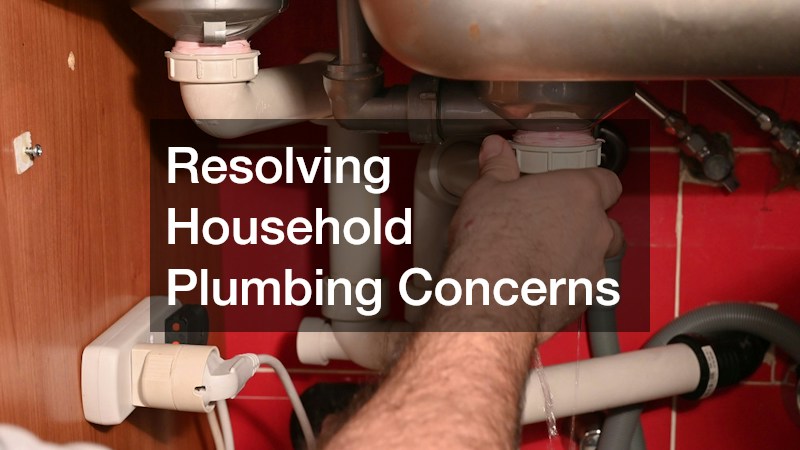
Plumbing problems can affect multiple areas of a home and may cause damage when left unaddressed. Slow drains, dripping faucets, running toilets, low water pressure, and recurring clogs are common signs that something may need attention. Although some issues appear minor, repeated problems can indicate a larger concern within the plumbing system.
A plumbing contractor can inspect pipes, fixtures, drains, and other components to identify the source of a problem. Leaking connections may require repairs, while recurring drain blockages could involve buildup or damage farther within the plumbing system. Professional evaluation helps distinguish between isolated fixture problems and concerns that affect multiple areas of the property.
Homeowners should pay attention to changes in water usage and the condition of visible plumbing components. Unexpected increases in water bills, damp cabinets, water stains, and unexplained moisture can indicate a hidden leak. Addressing these warning signs promptly can help limit water waste and reduce the risk of damage to surrounding materials. Keeping plumbing systems in good condition also supports the reliable operation of everyday household fixtures.
Maintaining a home involves balancing immediate concerns with projects that can be planned over time. Electrical hazards, active leaks, heating failures during cold weather, and structural changes generally deserve more urgent attention because they can affect safety or lead to additional damage. Other issues, such as aging roofing materials, routine equipment maintenance, and minor plumbing concerns, may allow for more flexible scheduling when they do not present immediate risks. Evaluating each problem based on its condition and potential consequences helps homeowners establish a reasonable order for repairs.
A practical maintenance plan should also account for household budgets, professional recommendations, and the expected lifespan of major home systems. Obtaining estimates and understanding the scope of proposed work can help property owners compare options and prepare for upcoming expenses. Keeping records of inspections, completed repairs, and recurring problems can also make future maintenance decisions easier. When several projects compete for attention, addressing the issues with the greatest safety and damage risks first is generally a sensible approach.
Professional evaluations provide useful information when the cause or severity of a problem is unclear. Rather than waiting for a minor concern to become a major disruption, homeowners can ask qualified professionals to inspect affected areas and explain the available solutions. With consistent attention and thoughtful planning, homeowners can protect their property’s condition, maintain comfortable living spaces, and make repair decisions with greater confidence.