
Keeping living spaces clean involves more than just everyday chores like vacuuming or wiping surfaces. A home can appear spotless but still hide allergens, toxic mold, and poor air quality. Residential wellness requires viewing your home as an ecosystem. The air, water, and protective structures must work together. Degrading systems affect health and well-being. Focus on structural maintenance, remodeling, and repairs to prevent toxins and pollutants from entering your space.
Optimizing Indoor Air Quality
The average person spends a massive portion of their life indoors, meaning the quality of the air circulating throughout your home has a profound impact on your lung health and vitality. Over months of continuous operation, airborne dust, pet dander, pollen, and microscopic insect fragments settle deep within your home’s ductwork. Every time your climate control system kicks on, these particles can easily recirculate throughout your bedrooms and living spaces, aggravating asthma and allergies.
To break this cycle, homeowners must look past basic fiberglass filters, which are only designed to protect the equipment itself from large debris, and move toward high-efficiency media filters. Upgrading to a filter with a MERV 11 to 13 rating allows your system to capture tiny microscopic particles, including bacteria and tobacco smoke, before they reach your lungs. However, denser filters restrict airflow if your system isn’t balanced to handle them. For this reason, it is critical to schedule seasonal preventative tune-ups with licensed experts who specialize in comprehensive HVAC services. These specialists can evaluate your system’s static pressure, clean internal blower components, and verify that your indoor air is being filtered safely and efficiently.
Stagnant air and localized humidity imbalances are silent catalysts for biological growth. When a heating or cooling system is neglected, it struggles to move air evenly across every room. This results in cold spots and localized dampness, particularly in corners or behind heavy furniture, creating an ideal environment for mold spores to take root. To keep your air clean during the bitter cold of winter, it is vital to keep a close eye on your heating plant.
- Watch for uneven heating across different floors of the house.
- Listen for unusual rattling, thumping, or whistling noises coming from the equipment.
- Monitor your utility bills for unexplained, sudden spikes in energy usage.
If you notice any of these warning signs, prioritizing a professional furnace repair is paramount. Addressing mechanical failures early prevents dangerous fuel combustion leaks, stops carbon monoxide risks, and ensures that the air pushing through your ventilation system remains consistently warm, dry, and free of airborne contaminants.
Moisture Control in the Air
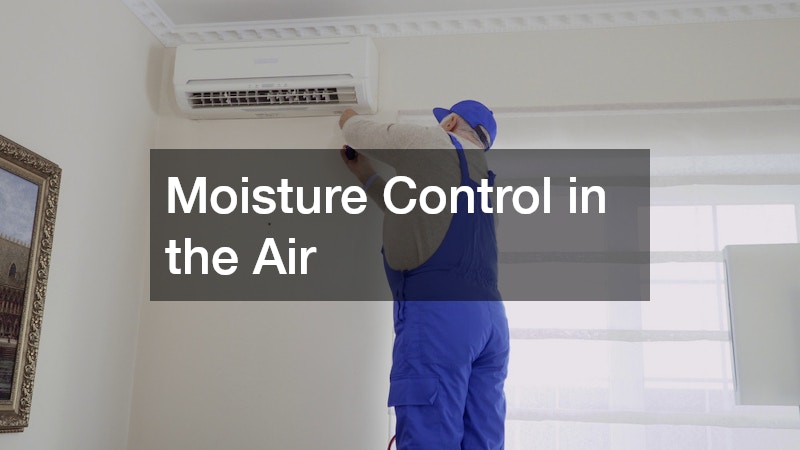
During hot, humid summer months, managing your indoor environment becomes a battle against ambient moisture. High humidity—specifically anything consistently registering above fifty percent—acts as an absolute supercharger for dust mite populations and mold spore germination. Your air conditioner plays a double role; it cools the temperature of your home while simultaneously extracting gallons of water from the air. However, if your cooling unit is improperly sized, short-cycles, or suffers from a frozen evaporator coil, it will fail to remove this moisture, leaving your indoor air feeling damp, sticky, and unhealthy.
To maintain a crisp, clean atmosphere, your cooling equipment must be meticulously calibrated to match the exact square footage and insulation values of your home. Consulting certified air conditioning contractors can help you determine if your current system is operating at peak dehumidification capacity. These professionals can install whole-house dehumidifiers directly into your existing duct network, ensuring that your indoor air remains within the ideal thirty-to-fifty percent humidity safety zone regardless of how oppressive the outdoor weather becomes.
- Check around interior windows for persistent condensation or foggy glass.
- Inspect closet walls and behind headboards for faint, dark spotting or a musty odor.
- Ensure that bathroom exhaust fans are venting entirely to the outdoors, not into your attic space.
Moisture control also requires a closer look at the physical barriers separating your living areas from the interior cavities of your walls. Microscopic mold spores, fiberglass fibers, and outdoor pests frequently find their way into your rooms through degraded seals or settling cracks. When a plumbing leak occurs or exterior moisture manages to breach your siding, the hidden interior partitions of your home can quickly become compromised. Water-stained, soft, or crumbling vertical surfaces do more than just look unpolished; they actively shed gypsum dust and release trapped fungal spores directly into your breathing zones every time the air pressure changes.
When these structural barriers fail, simple cosmetic patches are never enough. You should enlist the expertise of experienced drywall contractors to cleanly cut out and dispose of all contaminated materials. These professionals can carefully treat the exposed inner framing with antimicrobial solutions before installing specialized, moisture-resistant backing boards. This ensures your walls remain solid, fully sealed, and incapable of harboring hidden health hazards behind your paint or wallpaper.
Choosing and Maintaining Hygienic Finishes

The surfaces we touch every day in our kitchens and bathrooms are hotbeds for bacterial accumulation if they are constructed from the wrong materials. Old laminate surfaces with lifting seams, scratched wood blocks, and unsealed natural stones possess thousands of microscopic pits and fissures. When you prepare raw proteins or wash dirty hands, juices, soap scum, and foodborne pathogens sink deep into these tiny crevices. Over time, regular surface sprays cannot reach these deep pockets, allowing resilient bacterial colonies to grow right where you prepare meals.
When planning a kitchen or bathroom refresh, prioritizing hygiene means selecting completely non-porous materials. Upgrading to solid quartz, engineered composites, or expertly sealed surfaces creates an impenetrable barrier against liquids and pathogens. Working with premium countertop services allows you to design seamless surfaces with under-mount sinks, eliminating the traditional rim gaps where grime and moisture collect. These modern materials can be sanitized with simple, non-toxic soap and water, completely removing the need for harsh chemical cleaners that emit volatile organic compounds into your indoor air.
- Opt for solid-surface options that eliminate seams where dirt can hide.
- Select integrated or under-mount sinks to prevent water from pooling along the edges.
- Avoid highly porous, unsealed materials in areas prone to raw food preparation.
Similarly, flooring and wall splash zones require careful design consideration to prevent the buildup of grime. Tiled surfaces are incredibly durable, but the traditional cementaceous grout lines used to bind them together are highly absorbent. In wet areas like showers, entryways, and kitchen backsplashes, this porosity allows dirty water and organic matter to seep below the surface, creating stubborn black mold lines that resist standard scrubbing. When you mop a tiled floor with standard household tools, you often end up inadvertently pushing dirty water deeper into these recessed grout joints.
To truly restore the health of these high-traffic areas, a deep structural cleaning is required. Investing in professional tile cleaning utilizing truck-mounted hot water extraction tools can safely lift deeply embedded dirt, grease, and fungal colonies out of the floor’s pores. Once the material is thoroughly sanitized and dried, applying a commercial-grade penetrating sealant or switching to a non-porous epoxy grout will lock out future moisture, making your daily cleaning routines vastly more effective and ensuring your floors remain genuinely sanitary.
Water Safety and Waste Management

A healthy home relies fundamentally on the integrity of its plumbing infrastructure. The pipes running through your walls and under your utility rooms carry thousands of gallons of water under high pressure every single week. As plumbing systems age, copper pipes can develop microscopic pinhole leaks due to internal corrosion, while older galvanized lines can begin to flake rust and heavy metals directly into your drinking and bathing water supply. These tiny, hidden leaks can drip slowly behind your cabinetry for months, completely out of sight, rotting structural subfloors and feeding massive mold colonies before you ever spot a puddle.
Protecting your household from these unseen plumbing failures requires a proactive approach to your home’s water supply. Upgrading old, deteriorating metal lines to modern, highly flexible, and scale-resistant PEX piping completely eliminates the risk of heavy metal leaching and internal scale buildup. Establishing an annual preventative inspection routine with a licensed plumbing service is the best way to safeguard your infrastructure. These professionals use specialized pressure-testing equipment and thermal imaging cameras to catch weak joints, hidden degradation, and tiny drops before they can cause catastrophic structural water damage or trigger respiratory health issues.
- Monitor your water pressure regularly; a sudden drop can indicate a hidden breach.
- Look inside sink cabinets monthly for any signs of wood buckling, dampness, or staining.
- Consider installing a whole-house water filtration system to remove chlorine and heavy metals.
While keeping incoming water pure is essential, safely removing waste from the home is equally critical for keeping things clean. The drainage pipes leaving your sinks, showers, and toilets are designed to move organic waste away from your living spaces smoothly and rapidly. When these lines become sluggish due to a buildup of hair, cooking grease, and soap scum, they turn into stagnant reservoirs of bacteria. Slow drains do more than just slow down your morning routine; they allow sewer gases to escape back up into your bathrooms and create an ideal breeding ground for persistent drain flies and harmful pathogens.
Many homeowners mistakenly turn to store-bought chemical cleaners to clear these blockages. However, these highly corrosive liquids eat away at your metal pipes, generate intense heat that can deform plastic lines, and release toxic, caustic fumes into your indoor air. A safer, much more sustainable solution is to leverage a professional drain cleaning service that utilizes mechanical augers or high-pressure hydro-jetting. This process completely scours the internal walls of your plumbing clean of organic film and debris, ensuring that waste moves out of your home instantly and never has the chance to back up into your clean fixtures.
Fortifying the Structural Shield
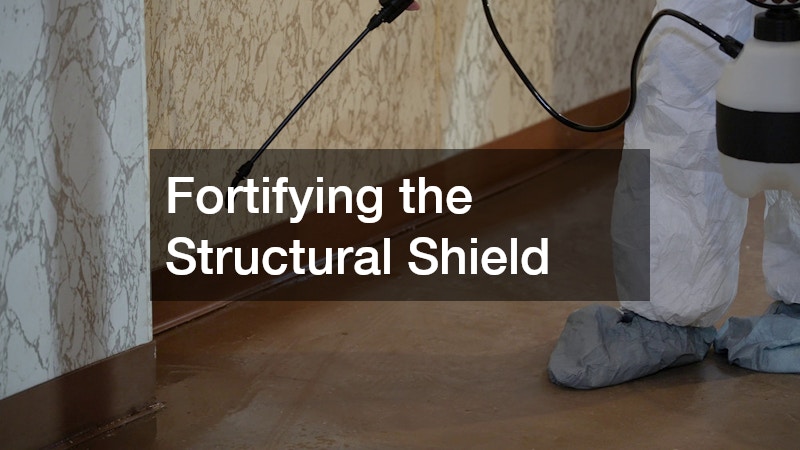
To successfully keep a home healthy, you must defend it against moisture from both the earth below and the sky above. The foundation of your home is constantly under attack from groundwater. When heavy rains fall, the soil surrounding your basement swells with water, creating immense hydrostatic pressure that forces moisture directly through porous poured concrete, block walls, and floor slabs. This continuous moisture migration results in chronic basement dampness, musty odors, and the chalky white powder known as efflorescence, which indicates that minerals are being leached right out of your foundation.
Leaving a basement damp creates a constant column of rising humid air that travels upward into your main living floors via a phenomenon known as the stack effect. This means that any mold spores or musty air generated in your dark basement will eventually end up in your bedrooms. To permanently sever this connection, your foundation requires heavy-duty waterproofing. Implementing specialized basement dewatering systems—which include perforated interior perimeter French drains, high-capacity sump pumps with battery backups, and heavy vapor barriers—effectively intercepts groundwater before it can breach your floor slab, pumping it safely away from your structure and keeping the lower levels of your home dry and usable.
- Ensure your outdoor soil grades slope away from your foundation walls at a gentle angle.
- Keep basement relative humidity below fifty-five percent using a dedicated, drainage-linked dehumidifier.
- Seal any visible structural cracks in the foundation walls with heavy-duty epoxy injections.
Finally, the ultimate shield protecting your entire home ecosystem from external elements is your roof. Your roof is exposed to intense UV rays, heavy downpours, wind-driven debris, and freezing snow packs. When shingles lift, crack, or lose their protective granules, water easily finds its way into your attic space. Once inside, it quickly saturates blown-in fiberglass or cellulose insulation, destroying its thermal efficiency and turning the dark, warm attic cavity into an absolute paradise for toxic black mold growth.
Because attic leaks often run down the interior framing of a house, you might not notice a ceiling stain until the underlying wood has been rotting for months. Proactive homeowners should inspect their roofs from the ground after major storms and keep their gutter networks completely free of leaves and debris to prevent ice damming in the winter.
When your shingles reach the end of their functional lifespan, delaying action invites severe air quality risks into your home. Engaging comprehensive roofing services to perform localized flashing repairs or execute a complete tear-off and replacement ensures your home’s overhead envelope remains entirely water-tight. Modern roofing practices also emphasize advanced ridge and soffit ventilation systems, which keep your attic cool and dry, preventing moisture buildup and securing a clean, safe environment for everyone living below.
Creating a clean and healthy home involves more than surface-level cleaning products. True residential wellness starts with the infrastructure of your living space. By investing in strategic repairs and remodeling—optimizing air ventilation, updating to non-porous surfaces, or reinforcing against moisture—you can eliminate the root causes of indoor pollution. A proactive approach to home maintenance protects your property investment and provides your family with clean air, pure water, and a safe environment. Audit your home’s systems and prioritize upgrades to preserve household health for decades.